
In today’s fast-changing music world, the talk about artist rights and master recordings is big. More artists now know the value of owning their masters. This means they can have more control over their work and earn more money.
Experts like Brianna Schwartz say artists are fighting to keep their rights. They’re talking to big labels like Sony to make sure they don’t lose control. This change shows how artists are taking back power in the industry.
But owning your masters isn’t easy. It can cost a lot of money and be hard to negotiate. Yet, it’s key for artists to protect their work from being misused by labels.
Taylor Swift’s fight to get her master recordings back is a clear example. It shows how important it is for artists to understand their rights. Knowing the difference between master and publishing rights is crucial for a successful music career.
Key Takeaways
- Understanding master rights is essential for artists seeking to maintain control over their creative output.
- Negotiating with labels can lead to artists retaining their masters, which impacts financial opportunities.
- Owning masters allows artists to receive all royalties from licensed uses, such as film soundtracks.
- Legal fees and negotiation costs can be a barrier to owning masters.
- Taylor Swift’s case illustrates the importance of ownership in preventing label abuses.
- A shift in the industry is empowering artists to focus on long-term freedom over initial financial gains.
- Master and publishing rights have distinct implications for how artists earn revenue from their work.
Understanding Master Recordings
Master recordings are key to a song’s success and its artistic value. Artists create these original recordings. They decide who gets to use the music and how much they get paid.
Definition and Importance
A master recording is the first version of a song. It’s the most valuable, especially for copyright rights. Artists who own their master recordings can make more money by licensing them for commercials and films.
The Role of Master Recordings in the Music Industry
In the old music industry, labels often bought master rights from artists. Artists usually got only 15% of the royalties, with the rest going to the label. Old contracts can also cut down an artist’s earnings, making it crucial to know and negotiate their rights.
Now, independent artists have more control thanks to streaming and social media. They can build a fanbase without needing labels. This change puts a big focus on who owns the rights to the music.
Who owns the master recordings greatly impacts an artist’s career. Artists can use their legal knowledge to get better deals. This change marks a new era where artists can protect their financial and creative futures better.
What Does It Mean to Own Your Masters
Owning your masters means you have full legal rights over your music. This includes making choices about how it’s shared and used. Sadly, only 10% of artists own their masters. The rest share rights with labels and producers.
This can lead to artists losing control over their music. It also means they might miss out on money they could earn.
Legal Rights and Control
When you own your masters, you can protect your music and control its use. It’s not just about the recordings. It’s also about the rights to distribute and license them.
This power lets artists make better deals and earn more money. They can get royalties from streaming, radio, and more. This way, they can manage their careers and make more money.
Financial Benefits for Artists
Having your masters can bring in a lot of money. Artists can earn from mechanical, performing rights, and sync licenses. This means they can make money consistently over time.
Independent artists, who own their masters, can keep all their earnings. While starting can cost a lot, owning your masters pays off in the long run.

| Aspect | With Masters Ownership | Without Masters Ownership |
|---|---|---|
| Legal Rights | Complete control over distribution and licensing | Subject to label’s decisions on licensing |
| Financial Benefits | Direct earnings from various royalties | Shared royalties with record labels |
| Negotiation Power | Stronger position in royalty negotiations | Limited negotiating capabilities |
| Control Over Creative Output | Full autonomy over music release | Dependent on label agreements |
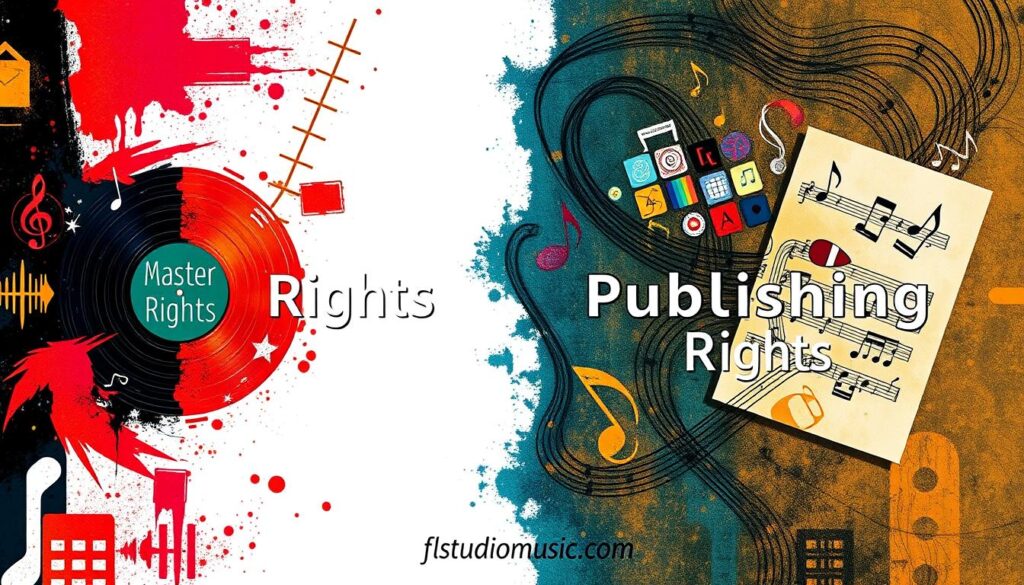
The Difference Between Master Rights and Publishing Rights
It’s key for artists to know the difference between master rights and publishing rights. These rights affect how artists make money from their music. They play a big role in how artists earn from their work.
What are Master Rights?
Master rights are about the sound recordings themselves. Artists or labels with these rights decide how the recordings are used. This includes:
- Sales of physical formats like vinyl and CDs
- Streaming revenues from platforms like Spotify
- Licensing for commercials and films
- Synchronization deals for TV shows and video games
Those with master rights can set terms and fees for each use. This is a big part of music contracts.
Understanding Publishing Rights
Publishing rights are about the song itself, like the lyrics and melody. These rights usually go to the songwriters. Artists with these rights control how their songs are used, including:
- Collecting mechanical royalties from physical or digital reproductions
- Earning performance royalties from live performances and broadcasts
- Receiving synchronization royalties when their music is used in media
- Generating print music royalties from the sale of sheet music
Publishers often get 50% of songwriting royalties, with the other half to the writers. This shows how publishing rights can greatly affect an artist’s earnings.
How They Affect Royalties
Master rights and publishing rights each have their own impact on artist earnings. Master rights can lead to steady income from licensing. Publishing rights, on the other hand, are tied to how often the song is performed or used. Artists need to understand these differences to manage their income well.
The Traditional Music Industry Model
The traditional music industry model focuses on record labels. They fund artists’ recordings and promotion. In return, they own the master recordings. This setup can greatly affect artists’ rights and earnings.
Record Label Agreements Overview
Record label agreements outline the artist-label relationship. Many artists see these deals as necessary but they limit their freedom. Artists often give up control over their recordings, affecting their choices.
Important parts of these agreements include:
- Extended Contract Durations: Artists may be locked into deals for many albums or even forever.
- Recoupment Clauses: Labels get their money back before artists see any profit, causing financial issues.
- Limited Royalties: Artists may get little upfront and wait years for royalties.
How Traditional Deals Impact Artists
Traditional deals can deeply affect artists. They often trade creative freedom for commercial success. The introduction of 360 deals has made things even more complex, as labels want a share of all artist income.
Thanks to digital platforms, artists can now own their recordings. This allows them to fund their work and distribute music independently. Streaming services like Spotify and Apple Music also offer opportunities for independent artists to compete with major labels while keeping their rights.
Despite these changes, disputes over master recording ownership are still common. Artists often try to regain ownership after their contracts end. This shows a growing awareness of the need to protect their artistic rights.

| Platform | Income per 1,000,000 Streams |
|---|---|
| Tidal | $19,000.00 |
| Apple Music | $12,840.00 |
| Deezer | $6,760.00 |
| Spotify | $6,400.00 |
| Amazon | $4,370.00 |
| Pandora | $4,020.00 |
Navigating the traditional music industry is complex for artists. Understanding record label agreements and their limitations helps artists plan for success and sustainability.
Case Studies of Artists and Their Masters
Taylor Swift and Kanye West’s stories show the big fight over music rights and ownership. Taylor Swift, a well-known artist, has worked hard to get her music back after her old label sold it. This was because she was upset with the manager who sold her music.
Her project to re-record her songs shows how much she cares about owning her music. This fight is very personal for her.
Taylor Swift’s Fight for Ownership
Taylor Swift’s story shows the emotional and financial costs of owning music. She’s re-recording her old songs to take back control. This move challenges the usual ways of the music industry.
It shows artists’ rights to their work. Taylor’s actions are changing the music world. They inspire other artists facing similar issues.
Kanye West and the Search for Control
Kanye West’s fights with Universal Music show the big picture of music rights. He wants to control his music, showing how far artists will go for ownership. Kanye’s battles show the clash between talent and industry rules.
The Importance of Ownership for Independent Artists
For independent artists, owning their master recordings is key to success. It lets them control their music and follow their vision. This freedom is often missing in record label deals.
Building a Sustainable Career
Having control over master recordings is crucial for a lasting career. It helps artists quickly recoup costs and invest in new projects. This way, they can make music that truly speaks to their fans.
By protecting their artist rights, artists can build a loyal fanbase. They can also negotiate better deals, reflecting their value to the industry.
High-Profile Independent Artists Success Stories
Chance the Rapper’s success shows the power of owning master recordings. His story proves a sustainable career is possible without losing control. Prince also emphasized the importance of ownership, saying, “If you don’t own your masters, the master owns you.”
Artists like Jay-Z have fought for fair earnings for their work. This shows a growing trend to empower independent artists in the industry.

Negotiating Record Deals
Knowing how to negotiate record deals is key for artists. Music contracts can greatly affect an artist’s rights and money. It’s important to focus on certain points to protect your interests and get good deals.
Key Terms to Understand
It’s crucial to know specific terms. Here are some important ones:
| Term | Description |
|---|---|
| Advances | Pre-payment against future royalties, recoupable by the label. |
| Royalties | Payments to the artist based on sales, typically subject to deductions. |
| Recoupment | Process where the label recovers advances from an artist’s royalties. |
| Exclusivity | Clauses preventing artists from recording for other labels. |
| Duration | Length of the contract, often defined in album cycles. |
Protecting Artist Rights
Protecting artist rights in music contracts is critical. Artists should get legal help to understand agreements. A good entertainment lawyer can explain complex terms and fight for good conditions, like:
- Reversion clauses that allow artists to reclaim rights after a certain period.
- Clear definitions of royalty calculations to avoid unexpected deductions.
- Provisions for retaining a degree of control over creative outputs.
- Avoidance of 360 deals that may compromise overall earnings from live performances and merchandise.
Creating a fair contract is vital for an artist’s career. Knowing both the benefits and risks of these agreements is essential. As I move forward, I trust my instincts, work with experts, and stay updated on the industry.
Benefits of Owning Your Masters
Owning my masters gives me total control over my music. I can decide how it’s used in movies, TV, and ads. This way, I make sure my work is used right and I get paid for it.
It also lets me keep my music true to myself. I don’t have to worry about losing control to record deals. Deals that might take my rights for years in exchange for money upfront.
There’s also a big financial upside. Keeping my master recordings means I can make money from licensing. My songs can be used in films, TV, commercials, and even by other artists. Every time my music is played, I earn royalties, helping my career financially.
Knowing about royalties is key to making more money. There are different types like performing, mechanical, and sync licensing royalties. By understanding these, I can manage my music’s finances better. This way, owning my masters not only gives me control but also a steady income and a focused music career.
FAQ
What does it mean to own my masters?
Owning my masters means I have full legal rights over my original sound recordings. This lets me decide how my music is used and sold. It ensures I make money from my work.
Why is owning my masters important in the music industry?
In the old music industry, labels often controlled master recordings. This gave them too much power. By owning my masters, I keep control over my work. This is key for independent artists.
How does master rights differ from publishing rights?
Master rights are about the sound recordings themselves. Publishing rights cover the music and lyrics. Knowing both helps me make more money from my music.
What are the financial benefits of owning my masters?
Owning my masters means I can make money in many ways. This includes streaming, TV and movie placements, and live performances. It helps me fund new projects and avoid bad deals.
What should I know about negotiating record deals?
When talking about record deals, it’s important to know about certain terms. These include how money is paid back and how long rights last. Getting legal help is key to getting a good deal.
Can you provide examples of artists fighting for their master rights?
Yes, Taylor Swift and Kanye West are examples. They show how important owning master rights is. Their stories highlight the personal stakes in these battles.
How can owning my masters impact my career as an independent artist?
Owning my masters helps my career last longer. It lets me pay off costs fast and invest in new projects. Artists like Chance the Rapper show success without labels.
What are some licensing opportunities for my masters?
I can make money by licensing my masters for use in films, TV, and ads. Knowing about royalties helps me get the most from these deals.
Source Links
- https://killthedj.com/what-does-it-mean-to-own-your-masters-in-music/
- https://www.otherrecordlabels.com/should-a-record-label-own-the-masters
- https://www.dk-mba.com/blog/what-does-it-mean-to-own-your-masters-in-music
- https://www.awal.com/blog/maintaining-ownership-rights-as-an-artist/
- https://www.tilleke.com/insights/ownership-master-recordings-music-industry-swift-winds-change-0/
- https://www.trackclub.com/resources/what-is-a-master-in-music/
- https://releese.io/article/what-does-it-mean-to-own-your-masters-and-why-it-matters/
- https://www.popsugar.com/entertainment/what-does-mean-own-your-masters-music-46337890
- https://www.usemogul.com/post/publishing-rights-vs-master-rights-understanding-the-key-differences
- https://www.newsweek.com/entertainment/celebrity-news/taylors-version-owning-masters-vs-publishing-september-2024-1950033
- https://www.usemogul.com/post/who-owns-the-master-recording-of-a-song
- https://www.hypebot.com/hypebot/2020/12/where-does-money-from-master-recordings-actually-come-from.html
- https://www.indiemusicacademy.com/blog/music-royalties-explained
- https://scholarlycommons.law.northwestern.edu/cgi/viewcontent.cgi?article=1344&context=njtip
- https://www.theguardian.com/music/2020/oct/09/kanye-west-fight-for-rights-to-masters-music-industry
- https://musicdigi.com/post/maintaining-ownership-rights-as-an-artist
- https://www.unchainedmusic.io/blog-posts/master-recordings-a-guide-to-ownership-and-rights
- https://www.legalmatch.com/law-library/article/negotiating-a-record-deal.html
- https://www.linkedin.com/advice/0/what-most-important-thing-remember-when-negotiating-ojkgf
- https://www.musicconnection.com/what-to-look-out-for-if-youve-been-offered-a-record-deal/
- https://www.amuse.io/en/categories/industry/owning-your-masters
- https://www.usemogul.com/post/understanding-the-significance-of-owning-your-masters-in-music
- https://www.reprtoir.com/blog/masters