You have a chorus in your head, a few lines in your notes, or a beat that still needs a vocal. An AI music studio can help you hear what those ideas might become. You can describe a song and generate a first version, or write the melody yourself and use AI to sing it.
Choosing one gets easier when you know what you want help with. Do you need a whole song to work from? A voice for a melody you have already written? Or some background music that leaves room for someone talking?
Here are six AI music studios to consider: ACE Studio, Suno, Soundverse, AI Music Studio, Mureka, and Soundful. Each has a slightly different approach. The picks below are based on their features, so treat them as a guide to which ones to try for your music.
Which AI Music Studio Fits Your Music?
| If you want to… | Start by looking at… | Keep in mind |
|---|---|---|
| Turn a written melody into a vocal or instrument part | ACE Studio | You will spend time editing notes and the performance |
| Describe a song and hear a first version | Suno | The full Suno Studio editor requires Premier |
| Generate music and arrange its separate parts in a browser | Soundverse | Check which plan includes the downloads you need |
| Buy software once and generate music on your own PC | AI Music Studio | Local generation needs a compatible Windows PC |
| Work from lyrics and revise individual song passages | Mureka | Some editing and download features need a higher plan |
| Choose a musical style and generate a backing track | Soundful | The license needs to cover how you will use the music |
1. ACE Studio: Write the Melody, Then Shape the Voice
ACE Studio makes sense when you already know the notes you want. You might have a chorus melody played on a keyboard, but no singer available to record it. Its vocal tools let you turn that melody and your lyrics into a sung part.
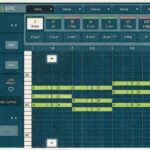
You start with MIDI. If you are new to making music, MIDI is a set of instructions: which notes to play, when they start, and how long they last. It contains no recorded sound. In ACE Studio, those notes tell the AI voice what to sing.
Choose a singer, enter or import the melody, and add your lyrics. The vocal editor lets you adjust pitch, add breaths, and change the delivery. A line that sounds too forceful might work better when sung more softly. A held note might need a different pitch movement at the end.
Those small choices matter when a vocal has to fit a beat you have already made. Expect to spend some time on the phrasing: how the words and notes sit together in rhythm.
ACE Studio also has AI instruments that play parts from MIDI. You can adjust how notes are performed and combine instruments into an ensemble. ACE Bridge connects it to compatible music software, often called a DAW. That means the program you record, arrange, and mix in, such as Ableton Live, Logic Pro, or FL Studio.
Try it if you want to write the part yourself and work on how it sounds. You will need an internet connection for the main AI generation features.
2. Suno: Hear a Song Idea Before Building Every Part
Suno is a straightforward place to start when you have a sound in mind but have not written all the music yet. Describe the style, instruments, mood, and vocals you want, then listen to what comes back.
That description is usually called a prompt. It can be as simple as “slow R&B with soft electric piano, a warm bass, and a quiet female vocal.” Giving it a clear musical direction gives you something useful to judge. Does the rhythm feel right? Is the singing too busy? Does the chorus lift enough?
Suno also supports revisions to existing material. Its model guide explains options for changing sections and working from reference material.
For more editing, Suno Studio lets you arrange audio, play built-in instruments, add effects, and work with stems. Stems are separate audio files for parts of the music, such as vocals, drums, and bass. They let you turn the drums down without also turning down the singer, or move one part into another section.
There is a practical limit to know about: Studio requires Premier access and does not load standard VST or Audio Units plugins. These are extra instruments and effects you install in a DAW. Your favorite synth or reverb may therefore need to wait until you move the audio into your usual music software.
Try it if you want to hear a whole song direction, then decide what is worth developing.
3. Soundverse: Generate the Parts and Put Them Together
Soundverse combines music generation with tools for lyrics, voice, and video. For making a track, its browser-based editor is the part worth looking at closely.
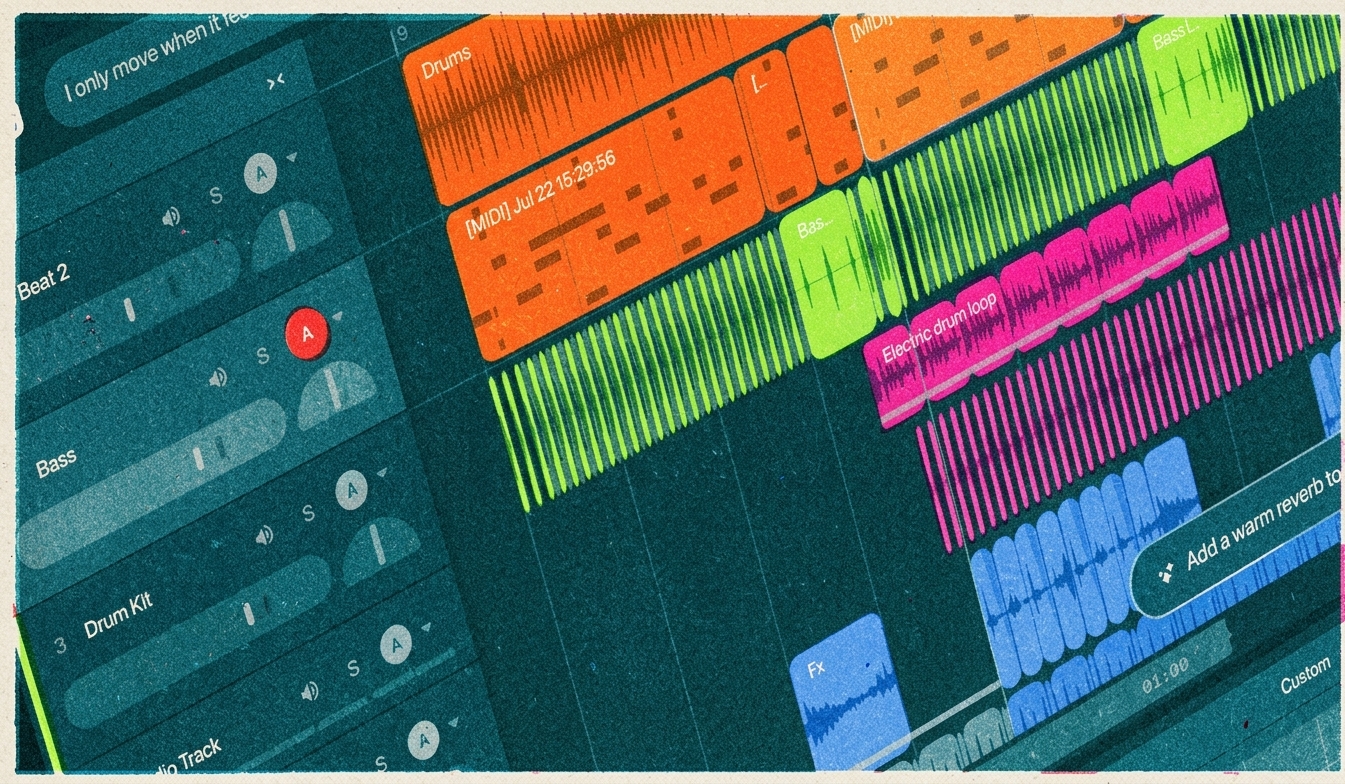
The multitrack editor puts separate audio parts on a shared timeline. Think of it as several rows playing together: a vocal on one row, drums on another, and an instrument underneath. You can cut clips, move them around, add layers, and adjust their volume.
That is useful when the sounds are there but the song needs a better shape. Maybe the intro goes on too long. Maybe the bass should wait until the drums arrive. Perhaps the chorus would feel bigger if you removed a layer from the verse first.
You can download the complete mix as a WAV file, an audio format commonly used for further editing because it avoids the lossy compression used by MP3. You can also export individual stems to keep working in another program.
Check Soundverse’s plan details for access to the editor, downloads, and commercial use. Trying the generation tools alone will not tell you whether the full setup suits you.
Try it if you like the idea of generating music and arranging its parts in the same browser window.
4. AI Music Studio: Pay Once and Generate on Your PC
AI Music Studio has a different appeal: the developer advertises a $49.99 one-time purchase, a seven-day trial, and unlimited local song creation. This is a separate product from ACE Studio.
“Local” means your computer does the generation. After setup and the initial download, the developer says you can make music offline.
You do need the right PC. The requirements include Windows 11, 32GB RAM, and a supported NVIDIA graphics card with at least 12GB VRAM. VRAM is the graphics card’s own memory; it is separate from your computer’s main RAM.
Without a suitable graphics card, the app uses cloud services that require separate paid subscriptions. The one-time purchase therefore makes most sense if you already have a compatible machine.
Use the trial before buying. Listen to the songs, check how long generation takes, and make sure the app runs comfortably on your computer.
Try it if you have a suitable Windows PC and want to avoid a recurring fee for local generation.
5. Mureka: Turn Lyrics into a Song You Can Revise
Mureka is worth a look when you have lyrics or a rough song idea and want to hear them with music. You can work from a description, use lyric-writing tools, and provide audio as a reference for the sound you are after.
The useful question comes after the first version: can you fix the line that bothers you?
Mureka’s editing tools include options for regenerating selected phrases. That gives you a way to work on a passage without asking for an entirely new song each time.
Imagine the verse feels right, but one lyric lands awkwardly against the melody. Or the first half of the chorus works and the last line loses energy. Those are the kinds of changes to try when deciding whether the editor helps your writing.
Some features, including advanced editing, reference uploads, and stem downloads, are tied to higher plans. If you want to finish the track in a DAW, check that your chosen plan lets you download the separate parts you need.
Try it if you want to hear your lyrics as a song and spend time improving particular lines or sections.
6. Soundful: Start with a Style and Build a Backing Track
Soundful starts with genres and templates. A template gives the generator a musical starting point, so you can choose a direction without writing a long description.
That approach is useful for backing music. You might need something relaxed under a spoken video, or an energetic track for a short edit. Choose a suitable style, generate a version, and save the one you want to keep. Eligible plans also offer stems if you want to work on separate parts later.
For background music, listen with the video or speech playing. A track can sound good on its own and still get in the way of a voice. Pay attention to busy melodies, sudden changes, and drums that pull too much attention away from what is being said.
Soundful has different licenses for personal, music creator, and business use. Its free plan lists a personal license. Check the right paid option if the music is for a client, an ad, or another commercial project.
Try it if you would rather choose a musical style than start by writing a prompt.
What to Check Before You Pay
Take one small idea into the tool you are considering. A short chorus or a simple backing track is enough. Then try to change something specific: soften the vocal, shorten the intro, or replace a section you do not like.
Listen to the result all the way through. Check whether the words are clear, the drums stay in time, and the transition into the chorus makes sense. If you plan to use stems, listen to those separately too. A part that sits well in the full mix may need work when you bring it into your own track.
Check the downloads before choosing a plan. Being able to generate a song does not always mean you can download it in every format or get its separate parts. Suno has a separate download guide, while ACE Studio’s pricing page separates voice and instrument usage from features that spend credits.
Also check permission to use the music. Commercial use means uses such as a monetized video, paid client work, or a music release. Do not assume free access includes all of those rights.
Make Room for Your Own Ideas
Once you have a version you like, try building around the strongest part. Keep the vocal and write a different bass line. Strip the verse back so the chorus has somewhere to go. Record a guitar phrase that answers the singer.
If you need more sounds for the track, Slooply’s samples and loops give you drums, melodies, and textures to try in your DAW. A sample is a recorded piece of sound; a loop is a phrase designed to repeat. A percussion loop might give the rhythm more movement, while a single kick sample lets you write your own drum pattern.
You do not need to replace everything. Sometimes the track only needs a better drum sound and a shorter intro. Keep listening to the song as you make changes, and leave room for the part that made you want to finish it.