You know the feeling when your loop just sits there. It repeats endlessly but never grabs the listener. A successful loop functions like a conversation, rather than a single repeating phrase.
This back-and-forth interaction is exactly how you build catchy melody loops that keep the ear engaged.
TL;DR
- Craving method: Divide the timeline into 4 rooms to build and satisfy musical anticipation.
- Quick serve: Drop the response immediately for high-energy impact.
- Neighbor method: Use exact octave jumps to make repeating patterns hit harder.
- Art method: Build climbing and descending arpeggios to shape your structure.
- Cousin method: Loop a motif three times and change a single note on the fourth repetition.
- Coming home: Anchor the progression using perfect fifth intervals.
- Ladder method: Walk up and down the scale to connect loop points seamlessly.
- Drum patterns: Use pitch variations and silence to make your percussion talk.
Structure Loops With the Craving Method
Building a memorable sequence comes down to timing. The craving method divides your timeline into four distinct rooms to control that pacing. You set up a musical craving and satisfy it at the exact right moment.
The 4-room layout
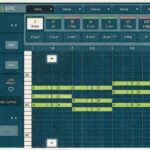
Divide your DAW grid mentally into four equal blocks. Place your initial melodic idea, the call, in room one. Leave room two completely empty to let the sound breathe and build anticipation.
Repeat the exact same call in room three. This locks the listener in further and sets up how to make catchy melodies that hook the ear. Finally, drop your resolving melody, the response, in room four.
This framework creates instant pocket. It leaves space to layer additional melodies later without crowding the mix.
Deliver Hooks Instantly With the Quick Serve Method
Sometimes a track needs zero waiting period. The quick serve method skips the buildup entirely and gets straight to the point. Place your call in room one and immediately drop your response in room two.
This approach works best for high-energy tracks. Your listener gets immediate impact rather than drawn-out anticipation. It keeps the momentum moving forward without dropping the tempo.
Shift Octaves Using the Neighbor Method
Octave jumps create a memorable response using material you already wrote. Leave room one empty and drop your melody into room two. Leave room three empty, then place that identical melody in room four.
Pitch the room four melody up or down exactly one octave. The listener’s brain recognizes the familiar pattern from room two. This makes the octave jump in room four hit much harder and feel noticeably brighter or deeper.
Shape Arpeggios Through the Art Method
You can use climbing and descending scales to create an engaging call and response. Write a short arpeggio of 4 to 8 notes that climbs up the scale for your call. Your response is simply an arpeggio that climbs back down.
Use your DAW’s MIDI flip tools to reverse the pattern vertically, or just manually pitch the notes down. These melody composition techniques streamline your MIDI drawing process. This back-and-forth motion works exceptionally well with synth plucks or bells.
Introduce Subtle Variation With the Cousin Method
Changing a single note often creates the most compelling response. Write a simple 2 to 3 note call and loop it three times in a row. On the fourth repetition, change just one single note in the sequence.
The first three repetitions establish total familiarity with the pattern. The slight change in the final section provides a fresh response without derailing the groove. The listener gets something new, but the foundation stays intact.
Anchor Progressions With the Coming Home Method
Perfect fifths anchor a loop and give it a definitive center. Place a specific note at the end of room two. Then, place a perfect fifth at the start of room three.
This specific interval signals to the ear that the melody has returned to home base. It resolves the tension naturally before the sequence continues.
Workflow tip
Delay the home note slightly off-grid to create a swinging, off-beat feel that adds swagger to the loop. You can use the resulting silence to drop in a heavy percussion accent.
Connect Sections With the Ladder Method
Seamless looping requires a smooth transition from the end of the phrase back to the beginning. Write a few notes walking up the scale at the very end of your loop. Then, write a corresponding walk down the scale at the very beginning of the sequence.
The walk-up builds anticipation as the loop turns over. The walk-down leads the listener straight back into the start of the sequence. This makes the loop point feel completely natural and connected.
Apply Call and Response to Drum Patterns
Drum samples must talk to each other to create a pocket. Randomly layering sounds just crowds the frequency spectrum. A proper rhythmic conversation supports and interacts with the main call and response melody.
Load 2 to 3 different hi-hat samples at different pitches and alternate between them. Use an open hat to respond directly to a specific closed hat roll. Deleting a hat to leave a pocket of silence makes the responding percussion hit much harder.
Shift your 808s slightly off-beat to act as a direct response to a crash or a weird percussion hit. You can browse Slooply’s Desktop App to drag and drop distinct drum one-shots or percussion accents right into your DAW to build these rhythmic conversations.
Summary
Combining the craving structure, octave jumps, and rhythmic conversations transforms basic loops into professional arrangements. You can browse Slooply’s catalog for royalty-free MIDI and WAV loops to study these techniques directly inside your DAW.
Applying these structured techniques turns flat sequences into engaging, conversational tracks. Whether you build anticipation with the craving method or use perfect fifths to anchor your progression, these strategies keep the listener hooked from the first bar. You can watch Tumfy’s full tutorial to see these exact MIDI arrangements built in real-time in FL Studio.